The short answer: poppies grow best when they are sown in cool soil, either in early spring (as soon as the ground can be worked) or in fall, a few weeks before your first hard frost. Most poppy types need soil temperatures between roughly 55–75°F (13–24°C) to germinate well, and they strongly prefer to be direct-seeded where they will bloom rather than started in trays and transplanted. If you missed both those windows, a winter cold-sow into frozen ground is a legitimate option in many regions. Everything below breaks that down by climate, poppy type, and sowing method so you can figure out exactly where you stand right now.
When to Grow Poppies: Planting Windows by Type
Best timing by region and climate
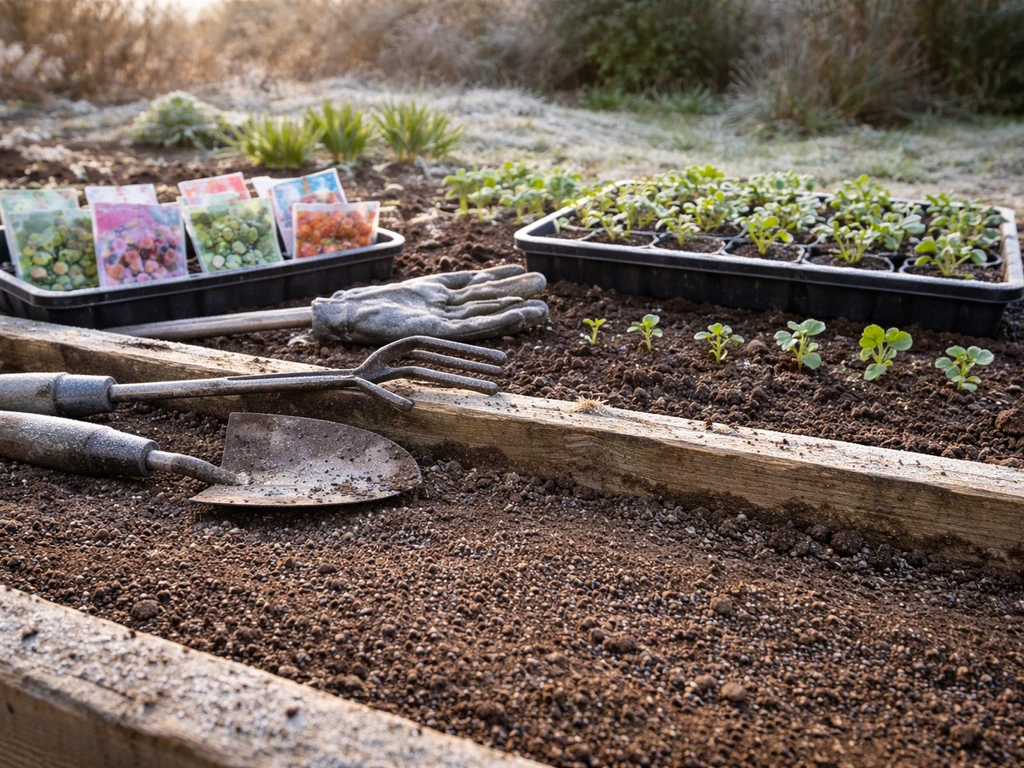
Poppy timing is almost entirely about soil temperature and frost, and it’s one of the main what do poppies need to grow factors to get right. Poppies are cool-season plants, which means they need cool, moist conditions to sprout and establish before they flower. Hot, dry weather stops germination cold (pun intended) and causes young plants to stall or bolt early. The goal is to get seeds in the ground while nights are still cool and soil hasn't baked yet.
Cold-winter regions (USDA zones 3–5, think the upper Midwest, New England, and most of Canada): Your best bet is early spring direct sowing as soon as the soil is workable, typically late March through mid-April. Soil may still be 40–50°F at this point, but as it warms toward the 55–65°F range, germination kicks in. Fall sowing before the ground freezes also works well here, and a winter cold-sow (scattering seed on frozen ground in January or February) is surprisingly reliable in these zones because the freeze-thaw cycles naturally stratify and settle the seeds.
Moderate climates (zones 6–7, Pacific Northwest, mid-Atlantic, parts of the UK and similar): You have the most flexibility. Early spring sowing from late February through March is ideal. Fall sowing in October works well too, giving seeds a head start before winter and early spring germination. Soil temps in these zones hit the sweet spot of 55–64°F (13–18°C) for longer stretches, which is exactly what poppies want.
Mild-winter, hot-summer regions (zones 8–10, the South, Southern California, Texas, coastal areas): Skip spring entirely. In these areas, spring heats up too fast and summer is too brutal for poppies to establish well. Fall sowing between October and December is your prime window, letting poppies grow through the mild winter and bloom in late winter or early spring before heat sets in. California poppies (Eschscholzia californica) are particularly well-suited to this schedule and are practically made for fall-seeding in warm, dry climates.
Choosing the right poppy type and its sowing schedule
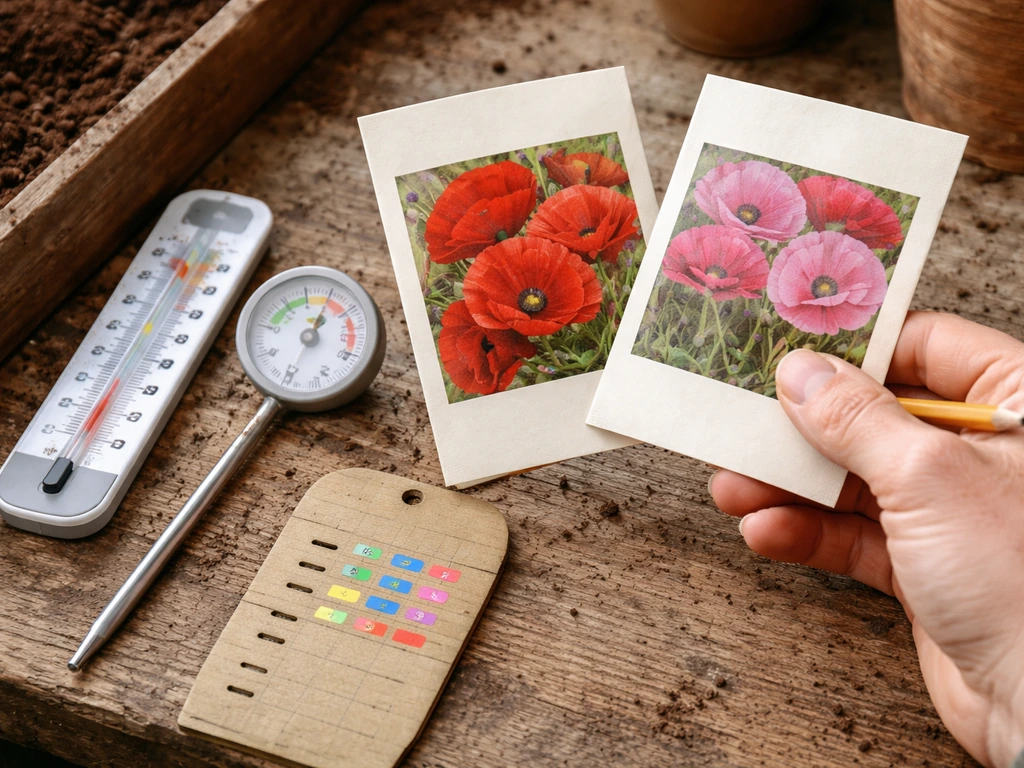
Not all poppies are on the same schedule. Before you commit to a planting date, it helps to know which type you're growing, because germination temperatures and preferred sowing times vary meaningfully between species.
| Poppy Type | Latin Name | Germination Temp | Days to Germinate | Best Sowing Window | Annual or Perennial |
|---|---|---|---|---|---|
| Corn / Flanders Poppy | Papaver rhoeas | 60–75°F (16–24°C) | 14–21 days | Early spring or fall | Annual |
| Oriental Poppy | Papaver orientale | 55–65°F (13–18°C) | 14–28 days | Early spring or fall | Perennial |
| Iceland Poppy | Papaver nudicaule | 65–75°F (18–24°C) | 7–12 days | Fall (warm climates) or early spring | Short-lived perennial/biennial |
| California Poppy | Eschscholzia californica | 50–75°F (10–24°C) | 14–21 days | Fall (mild climates) or early spring | Annual/self-seeding perennial |
| Welsh Poppy | Meconopsis cambrica | 50–60°F (10–15°C) | 14–30 days | Fall or cold-stratified spring | Perennial |
| Opium / Breadseed Poppy | Papaver somniferum | 55–65°F (13–18°C) | 10–20 days | Early spring or fall | Annual |
A few practical notes on this list: Iceland poppies prefer a slightly warmer germination range than most, which is why they're often started indoors in fall in colder zones for spring transplanting (one of the few poppies where indoor starts are actually common practice). Oriental poppies are perennials and can be sown in fall in most zones, and they'll often self-sow freely once established. California poppies are tough and fast and are usually the easiest entry point for beginner growers. If you're in zone 5 and wondering about specific timing, there's more detail on that in a dedicated zone 5 poppy guide.
How to sow poppy seeds: direct sow vs starting indoors
The number one rule with most poppies: direct sow them. Corn poppies (Papaver rhoeas), California poppies, breadseed poppies, and most other annual types develop a taproot quickly and do not transplant well. Trying to move them after germination almost always leads to transplant shock, stunted plants, and reduced flowering. Direct sowing into the final spot is the standard recommendation across the board.
Direct sowing (the right method for most poppies)
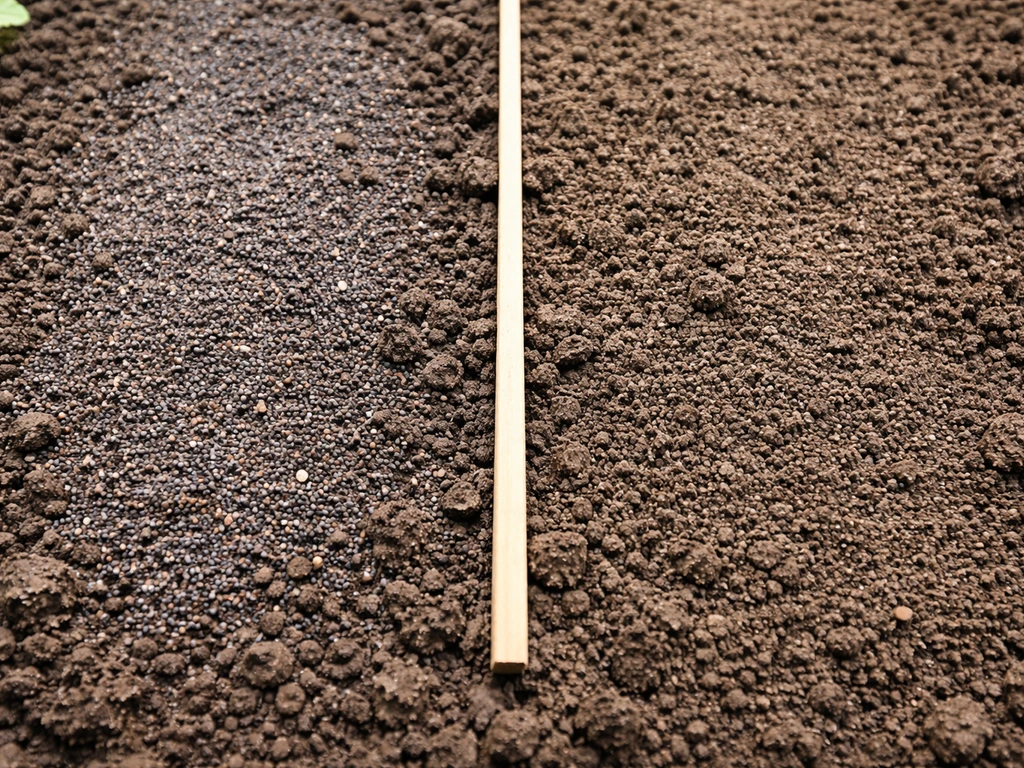
Poppy seeds are tiny and require light to germinate. This is critical. Do not bury them under a quarter-inch of soil, as you might with larger seeds. The correct approach is to surface sow or cover with just the thinnest layer of fine soil, no more than 1/8 inch. Many growers mix the seeds with dry sand first to help distribute them more evenly across the bed, then press the mixture gently onto the prepared soil surface. After sowing, water with a fine mist rather than a strong stream that would displace the seeds.
One note on depth: some seed packets and sources say to cover at 1/4 inch, while the research on light-dependent germination suggests the lightest possible covering gives better results. In practice, scattering seeds and pressing them firmly into the soil surface with a board or your hand, then giving a light raking or a thin dusting of fine compost, produces excellent germination rates without burying the seeds too deep.
Starting indoors (when it makes sense)
Indoor starting is genuinely useful for Iceland poppies, especially in cold climates. Because Iceland poppies have a slightly higher germination temperature and a shorter bloom window, starting them 8–10 weeks before your last frost date indoors gives them time to establish before transplanting out. Use individual peat or coir pots that can go straight in the ground to minimize root disturbance. Surface sow in the pots under grow lights, keep temps around 65–70°F, and expect germination in 7–12 days. Welsh poppies also respond well to indoor cold stratification before sowing, as described in guides focused specifically on that variety in our how to grow welsh poppies.
For cold-sowing (a popular technique for zone 4–6 gardeners): scatter seeds directly onto frozen or near-frozen ground in late winter, January through February. The seeds sit dormant until conditions are right, then germinate naturally in spring. No trays, no heating mats, no transplanting. This method mimics what poppies do naturally and works reliably for corn poppies, breadseed poppies, California poppies, and oriental poppies.
Season-by-season planting windows
Here is how the calendar breaks down depending on when you are reading this and where you live. Since today is March 24, 2026, early spring sowing in most of zones 5–7 is happening right now or within the next 2–4 weeks.
| Season | Timing (approximate) | Best For | Zones |
|---|---|---|---|
| Early Spring | Late February – mid-April | Direct sow annuals as soil thaws; transplant Iceland poppies started indoors | 4–7 |
| Spring (late) | Late April – May | Last call for direct sow in cooler zones; too late in zones 8+ | 4–6 |
| Summer | Not recommended | Too hot; seeds go dormant or fail to germinate | All zones |
| Fall | September – November | Primary window for zones 7–10; fall sow annuals and perennials for spring bloom | 5–10 |
| Winter Cold-Sow | December – February | Scatter seed on frozen ground; natural stratification; no maintenance needed | 3–6 |
If you are in the Northern Hemisphere reading this in late March, you are in prime early spring sowing territory for most cool-climate zones. Get seeds in the ground within the next few weeks before soil temps climb above 65°F consistently. If you are in a warm-winter zone like zone 8 or 9, your fall window already passed, but you may still catch a cool spell in early spring before heat sets in, especially if you sow in the next week or two into cool soil.
Preparing your site, soil, and light for success
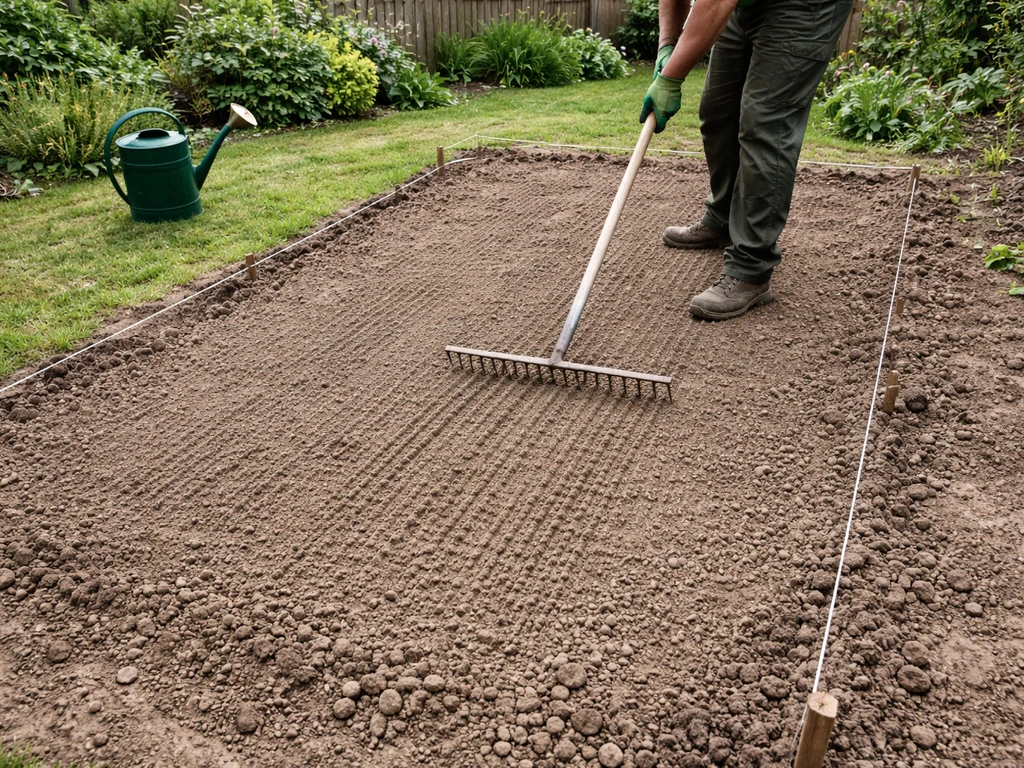
Getting the timing right is half the battle. The other half is making sure the bed is actually ready to receive poppy seeds. Since poppies are direct sown on or near the soil surface, the quality of your seedbed matters a lot more than it would for a large seed you bury two inches deep.
Light
Poppies need full sun, at minimum 6 hours of direct sunlight per day, and they bloom best with 8 or more. They will tolerate very light dappled shade but tend to get leggy and flower poorly in low-light situations. Choose the sunniest spot available, especially if you want flowers for cutting.
Soil prep
Poppies are not heavy feeders and actually prefer lean, well-drained soil over rich, amended beds. Overly fertile soil (especially high in nitrogen) produces lush foliage and poor flowering. A loamy, slightly sandy soil with good drainage and a neutral to slightly alkaline pH (6.5–7.5) is ideal. If your soil is heavy clay, work in some coarse sand or fine grit to improve drainage. Compacted, waterlogged soil is a germination killer.
Before sowing, rake the bed to a fine, crumbly tilth. Remove clumps, stones, and debris. You want a smooth, firm surface that seed can make contact with. Poppy seeds are so small that they can fall into air pockets and never properly contact moist soil if the surface is rough or cloddy. After sowing, firm the surface again gently with a flat board or the back of a rake.
Moisture
Consistent surface moisture is essential during the germination window. Because poppy seeds sit at or near the surface, they dry out faster than deeply buried seeds. After sowing, water lightly every day (or every other day if conditions are cool and overcast) until seedlings emerge. Once germinated, poppies are moderately drought tolerant but still appreciate regular water during dry spells.
Common mistakes that derail poppy germination and growth
Most poppy failures come down to a small handful of avoidable errors. Here are the ones that show up most often:
- Burying seeds too deep: Poppy seeds need light to germinate. Covering them with more than a thin dusting of soil blocks the light signal they need and dramatically reduces germination rates. Surface sow or cover with 1/8 inch at most.
- Sowing in hot soil: If soil temperatures are above 75–80°F, most poppy seeds will go dormant rather than germinate. Sowing in late spring or early summer in warm climates almost always fails.
- Trying to transplant: Corn poppies, California poppies, and breadseed poppies have taproots that do not survive transplanting. If you started these indoors in regular cell trays, you will likely lose most of them when you try to move them. Direct sow, or use biodegradable pots if you must start indoors.
- Letting the seedbed dry out: Because seeds sit at the surface, the top layer of soil dries out quickly in sun or wind. Missing even a few days of moisture after sowing can mean seeds dry out before they sprout. Keep the surface consistently moist until germination.
- Over-fertilizing: Rich soil high in nitrogen pushes leaf growth at the expense of flowers. Poppies in average or lean garden soil almost always out-bloom those in heavily amended beds.
- Sowing too thickly and skipping thinning: Poppy seeds are small and it is easy to over-sow. Crowded seedlings compete for light and moisture and produce weak, smaller plants. Thin corn poppies and breadseed poppies to about 6 inches apart; oriental poppies to 12 inches.
- Planting too late in warm climates: In zones 8–10, a late-winter or early-spring sowing that might work in zone 6 will often hit summer heat before the plants can bloom. In warm climates, fall is the primary planting window, not spring.
Aftercare and troubleshooting until flowering
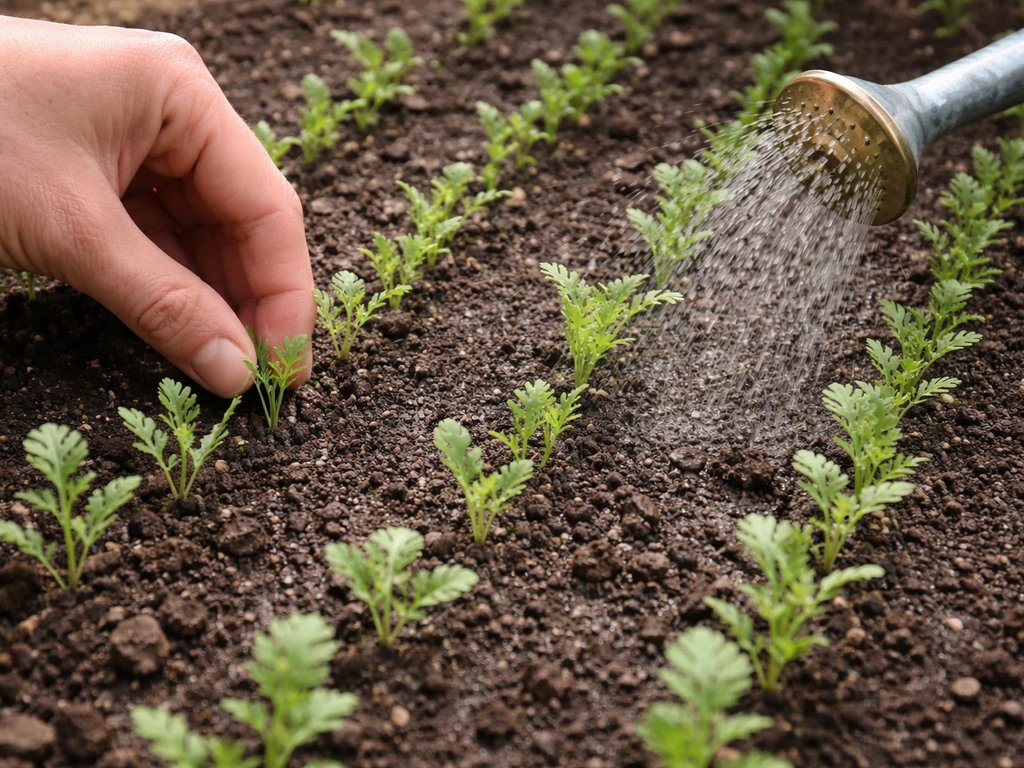
Once seedlings emerge (expect 7–21 days depending on type and conditions), poppy care is straightforward. Thin seedlings when they reach about 2 inches tall, removing the smallest ones and leaving the strongest at proper spacing. This feels counterproductive when you have a full bed of tiny seedlings, but it makes a real difference in final plant size and bloom quantity.
Water regularly but do not overwater. Poppies sitting in soggy soil are prone to root rot, especially in cool, wet springs. If you had a lot of rain, check that drainage is working as expected and that the soil is not staying waterlogged for extended periods.
Fertilizing is usually unnecessary if your soil is decent. If plants look pale or growth seems very slow after 3–4 weeks, a light application of a balanced, low-nitrogen fertilizer (something like a 5-10-10 ratio) can help without overstimulating leaf growth. Avoid high-nitrogen feeds.
Annual poppies (corn poppies, California poppies, breadseed poppies) will typically bloom 60–90 days after germination under good conditions. Perennial types like oriental poppies sown from seed often do not bloom until their second year, so patience is required. If your first-year oriental poppies produce nothing but foliage, that is normal.
Deadheading extends the flowering season for annual types like corn poppies. For breadseed poppies, leaving the decorative seed heads on the plant is a common choice because they are ornamental on their own and will drop seed for next year's plants. California poppies self-sow aggressively and will naturalize in a bed if seed heads are left to mature.
If plants bolt early (going to seed without much flowering), that is usually a sign that heat arrived sooner than expected or that the sowing was slightly too late. There is not much to do at that point except collect seed for a better-timed sowing in fall or next spring. For more detail on what poppies need throughout their growing season, a broader look at poppy growing requirements is worth exploring alongside this timing guide.
Your next steps right now
Here is the quick action plan based on where you are in the calendar today, late March 2026:
- Look up your last frost date for your zip code or region. If your last frost is within the next 2–4 weeks and soil is workable, you are in the early spring sowing window right now.
- Pick your poppy type based on the table above. If you want something easy and fast, start with corn poppies (Papaver rhoeas) or California poppies (Eschscholzia californica). If you want perennials, add oriental poppies to the mix knowing they may not bloom until year two.
- Prepare your bed now. Rake to a fine tilth, check drainage, and do not over-amend with compost or fertilizer.
- Direct sow onto the surface. Mix seeds with dry sand if you have them, scatter thinly, press gently onto soil, and water with a fine mist.
- Keep the surface moist until germination, which should come in 7–21 days depending on type and current soil temperature.
- Thin seedlings once they hit 2 inches and let them do their thing. Most annual poppies will flower by late May through June if sown now in zones 5–7.
If you are in a warmer zone and soil is already warming past 70°F, consider whether a fall sowing makes more sense for your area. Getting the timing right the first time is worth the wait, and poppies reward that patience with an abundance of blooms.
FAQ
What should I do if my soil is still cold but the weather is warming fast this week?
If the forecast suggests a quick jump into hot daytime temperatures, prioritize light, direct seeding in the coolest window you have (early morning or after a cloudy day) and keep the seedbed gently moist through the first 10 to 14 days. Once soil temperatures stay above the mid-70s, many poppy types lose germination success.
Can I sow poppy seeds during a warm spell and expect them to sprout later when it cools down?
It usually fails. With surface-sown, light-dependent seeds, warmth and drying stop germination and can lead to uneven sprouting or no emergence at all. If you already sowed, recheck soil moisture and avoid re-covering deeply, but plan to re-sow in the next cool window if seedlings do not appear within about 3 weeks.
How do I know when it’s too late to direct sow in spring?
As a practical rule, stop spring sowing when you cannot keep soil consistently within the germination range (roughly mid-50s to mid-70s F) because consistent heat accelerates stalling or bolting. In warm-winter areas, that often means switching your focus back to fall rather than extending spring attempts.
Should I water daily after sowing, or will that wash the seeds away?
Use a fine mist or very gentle watering so the seeds do not drift or crust. A common fix if you worry about displacement is to water right after sowing, then mist again as needed to keep the top layer damp (not soggy). If you see a hard crust forming, lightly loosen the surface only after seedlings are up, not before germination.
My poppies came up, but many seedlings look spindly. Is this always a lighting problem?
Spindly growth is often low light, but it can also be caused by uneven moisture or overly rich soil. Check that plants are getting at least 6 hours of direct sun, thin on time, and avoid nitrogen-heavy feed that encourages leggy foliage at the expense of blooms.
Do poppies need fertilizer right away after germination?
Usually no. Wait until growth has established (about 3 to 4 weeks) and only consider a light, low-nitrogen feeding if plants look pale or growth is clearly slow. Overfertilizing, especially with nitrogen, increases leaves and reduces flowering.
Can I thicken the seedlings less aggressively to avoid disturbing them?
You will get better flowering if you thin, even though it feels harsh. Aim to remove the smallest seedlings at around 2 inches tall, spacing the remaining plants so airflow and light are consistent. Leaving extras often leads to smaller blooms and competition for water at the surface.
Why didn’t my seeds germinate even though I followed the timing?
The most common causes are seed burial too deep, crusting over the surface, poor seed-to-soil contact on a clumpy bed, and drying right after sowing. Confirm you surface-sowed (or used only the thinnest cover), firmed the soil gently after sowing, and maintained surface moisture until emergence.
Is cold-sowing safe to do on any soil type?
Cold-sowing works best when the soil is not staying waterlogged. In heavy clay or low spots, freeze-thaw plus standing moisture can harm embryos before they sprout. If drainage is questionable, sow in a slightly raised or improved-bed area so the top layer can stay moist but not saturated.
When I thin seedlings, should I pull them out or cut them?
If seedlings are densely packed, cutting at soil level minimizes root disturbance, but pulling can be okay if you do it very carefully and only remove the smallest plants. In general, the less you disturb the survivors, the more uniform the next growth will be.
How do I collect seed from annual poppies if I want better timing next year?
Let seed heads mature fully on the plant until they are dry enough to release seed, then harvest before heavy rain. Store seeds cool and dry, and plan to sow in your next correct cool window (spring or fall) rather than immediately trying to plant them out in the same warm period.
If I’m in a borderline zone, should I choose spring sowing or fall sowing?
Choose the option that best matches your expected soil temperature window and your heat timing. If summer arrives early or rapidly, fall sowing is often safer because it lets poppies establish under cooler conditions and bloom before peak heat. If winters are harsh and your soil freezes deeply for long periods, spring sowing or winter cold-sow with good drainage is usually more reliable.